


Against this backdrop, the RE2020 environmental regulations were introduced to replace RT2012 and establish new environmental requirements for new buildings. Fayat Bâtiment takes a closer look at what RE2020 is, its main objectives and the changes expected in the years ahead.
What is RE2020?
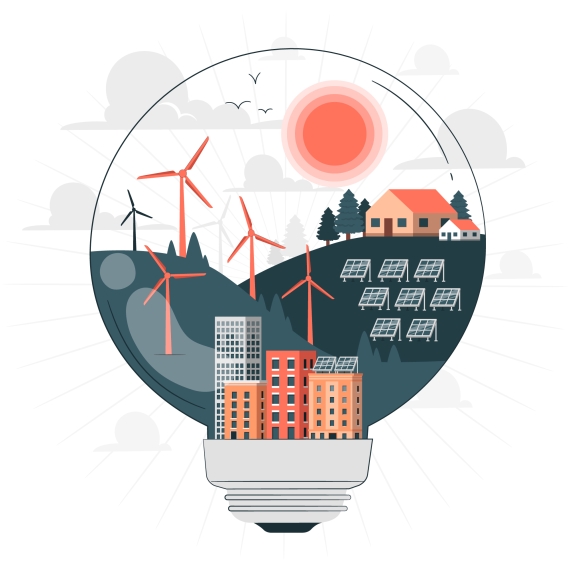
The 2020 Environmental Regulations (RE2020) are designed to improve the energy efficiency of buildings and reduce their carbon emissions. Introduced by the French government, they replace the 2012 Thermal Regulations (RT2012) and impose stricter standards for both energy and environmental performance.
The key challenge is now to reduce the carbon impact of buildings through greater energy efficiency and the use of more environmentally responsible materials, while continuing to ensure occupant comfort. For example, new homes built in compliance with RE2020 must consume less energy and generate fewer greenhouse gas emissions throughout their life cycle. They must also be designed to provide comfortable living conditions, particularly in response to climate change and increasingly frequent periods of extreme heat.
The main objectives of RE2020
First, RE2020 aims to significantly reduce the energy consumption of new buildings. This involves improving thermal insulation and managing energy resources more efficiently.
Second, reducing carbon emissions is another fundamental pillar of RE2020, with the aim of limiting the construction sector's contribution to greenhouse gas emissions and climate change. High-carbon fossil fuels such as fuel oil and gas, particularly for heating, are being phased out in favour of renewable energy solutions such as solar panels and heat pumps. RE2020 also encourages the use of eco-designed construction materials with a lower environmental impact, including bio-based materials such as timber and reused materials.
Finally, another major objective is to adapt buildings to climate change and ensure occupant comfort during periods of extreme heat.
RE2020 environmental requirements
To achieve these ambitious objectives, RE2020 sets a number of strict energy and carbon thresholds that project owners and construction professionals, including contractors and engineering firms, must meet.
Although these requirements can appear complex, they are designed to significantly improve the energy and environmental performance of buildings. They vary according to building type — housing, offices, educational facilities and others — while increasingly ambitious thresholds are being introduced at several stages between 2022 and 2031.
The main requirements include:
Improved energy efficiency
Buildings' energy needs — measured through the Bbio indicator and the performance of the building envelope — as well as primary energy consumption (Cep) must continue to decrease.
This involves several key measures:
- Improving and adapting the insulation of the building envelope to reduce heating requirements.
- Providing suitable and sufficient access to natural daylight in living spaces and workplaces, thereby reducing the need for artificial lighting.
- Carefully considering building design and orientation and, where necessary, incorporating solar shading on windows according to their exposure in order to limit overheating and reduce cooling requirements.
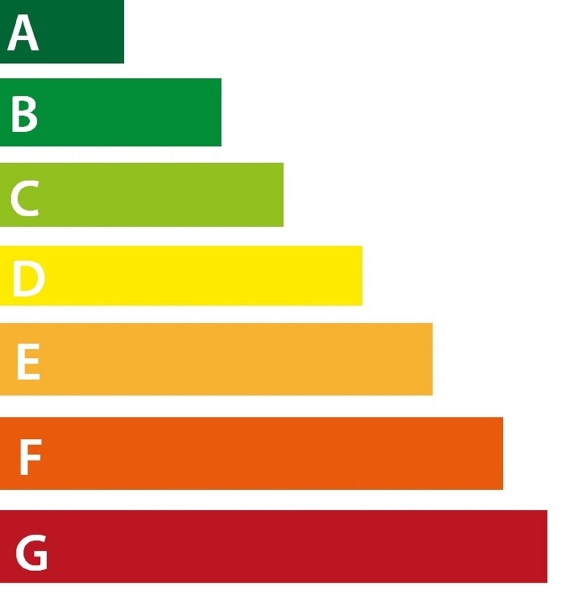
Appropriate choices must also be made regarding high-performance technical equipment, including heating and domestic hot water systems, as well as ventilation, lighting and other uses such as household appliances, to further improve occupant comfort and reduce energy consumption.
Buildings therefore need to incorporate more efficient technologies to manage and minimise their energy requirements. Property developers and project owners are also encouraged to use smart sensors to optimise energy consumption in real time. High-performance heating and control systems also play a crucial role.
Finally, renewable energies are being further encouraged through a new regulatory threshold: Cep,nr, which measures non-renewable primary energy consumption. This indicator provides a clear direction and encourages buildings to become less dependent on non-renewable energy sources.
Reducing carbon emissions
The regulations also require the carbon footprint of each building to be taken into account from the design stage onwards. Two new indicators, together with their associated thresholds, have been introduced.
Project owners and construction professionals must therefore consider both the carbon impact of energy consumption (Ic Energie) and, now, the carbon impact of construction materials and products (Ic Construction).
To comply with the Ic Energie threshold, the energy solutions selected for electricity generation, heating and cooling must become progressively less carbon-intensive. This means further reducing the use of fossil fuels such as fuel oil and gas in favour of renewable energy sources, including heat pumps, photovoltaic solar energy, solar thermal systems and geothermal energy.
Compliance with the Ic Construction threshold also requires careful consideration of lower-carbon construction techniques and materials.
Life Cycle Assessment (LCA) has therefore become essential for evaluating a building's environmental impact throughout its entire life cycle, from raw material extraction through to deconstruction.
The requirements encourage the use of low-carbon materials and alternative or hybrid construction methods combining materials such as concrete, timber and steel to reduce environmental impacts.
Examples include the use of bio-based insulation materials, timber construction techniques and low-carbon concrete. These approaches aim to significantly reduce the carbon footprint of new buildings.

Summer comfort
As the climate changes, buildings must increasingly be designed to withstand periods of extreme heat.
RE2020 addresses this issue through a specific summer comfort requirement and an indicator known as DH (degree-hours of discomfort).
Project owners and contractors must now take these conditions into account. Solutions may include designing dual-aspect homes to provide better natural ventilation and cooling of living spaces, as well as adapting solar shading to protect occupants from direct solar radiation.
Preventing overheating at the design stage is particularly beneficial, as it also reduces the need for energy-intensive air-conditioning systems, which can have a significant environmental impact.
Changes from 2025 onwards
From 2025 onwards, several regulatory adjustments to RE2020 are expected to further strengthen its requirements and address increasingly significant climate challenges.
Several key developments therefore need to be closely monitored in order to understand how the regulations are evolving.
Lower carbon thresholds
Carbon thresholds for new buildings are being progressively tightened.
This encourages project owners and contractors to adopt increasingly responsible and innovative practices. The applicable thresholds vary depending on the type of building and whether they concern the carbon impact of construction materials (Ic Construction) or energy use (Ic Energie).
These developments will require some traditional construction methods to be reconsidered and are likely to further increase the importance of comprehensive approaches incorporating material reuse and circular economy solutions.
Impact on different building types
Regulatory developments also affect the categories of buildings covered by RE2020.
Initially focused primarily on new housing, offices and educational buildings, the regulations are progressively being extended to additional building categories, including childcare facilities, hotels and healthcare buildings, bringing a wider range of projects within their scope.
Adaptations and adjustments to certain thresholds may also be introduced to better address the specific requirements and complexity of high-rise buildings, hospitals, educational facilities and other types of construction.
Moving towards the next phase of the transition


With these developments, RE2020 will continue to drive the construction sector towards more environmentally responsible and sustainable practices.
By progressively adapting regulatory requirements in light of results achieved and technological innovation, France aims to support the objectives of its National Low-Carbon Strategy and accelerate the decarbonisation of the building sector.
This momentum should encourage market players to invest further in research and the development of sustainable solutions, with the aim of reducing the carbon footprint of buildings as far as possible.
Increasing numbers of environmentally responsible, energy-efficient buildings are therefore expected to emerge.
Looking to the future
Environmental regulations are set to become increasingly demanding, with higher expectations in terms of quality and sustainability. For construction professionals, anticipating and preparing for these new challenges will be essential. Incorporating practices that comply with RE2020 requirements and future regulatory developments from the outset can provide a significant competitive advantage.
The challenge is not simply to build in accordance with RE2020, but to respond more broadly to the challenges created by climate change: reducing greenhouse gas emissions while simultaneously adapting buildings to a changing climate. Finally, it is becoming essential for professionals to remain informed about the latest regulatory developments and to play an active role in the environmental transition.
The property and construction sectors are likely to undergo significant transformation, helping to shape a new generation of committed and responsible builders. With so many developments and opportunities ahead, the construction sector is moving towards a future increasingly focused on sustainability.
EMAIL ALERT
Haven't found an opportunity matching your search?