
An innovative and atypical project
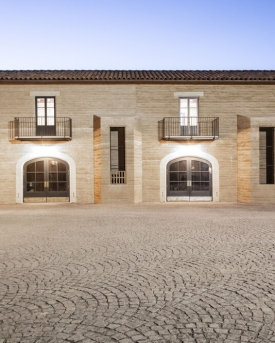
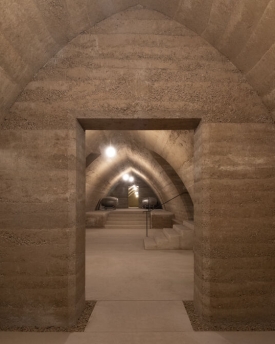
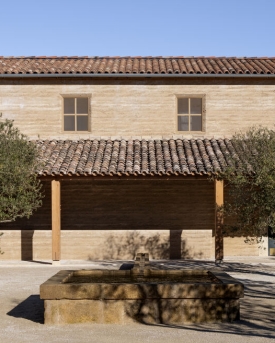
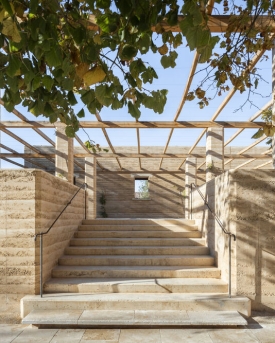
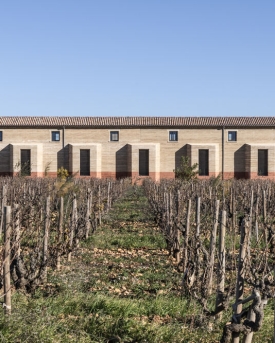
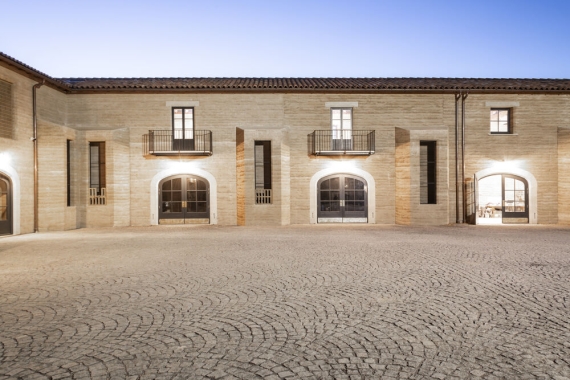
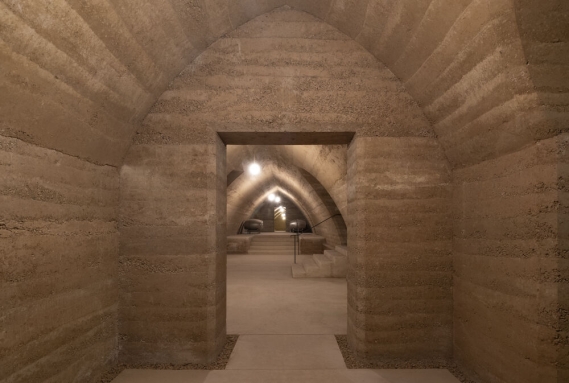
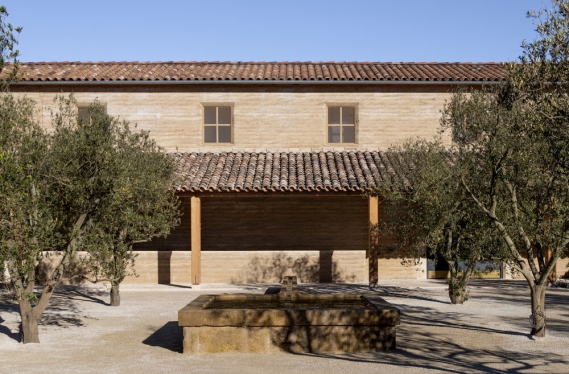
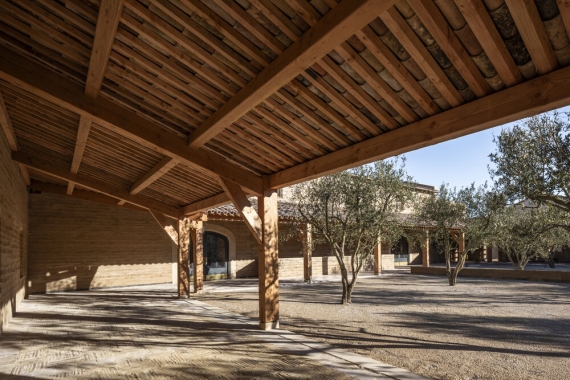
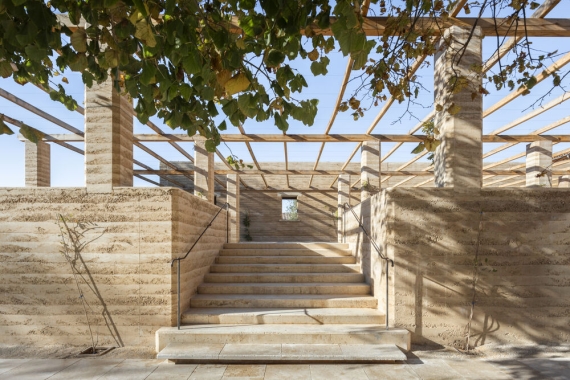
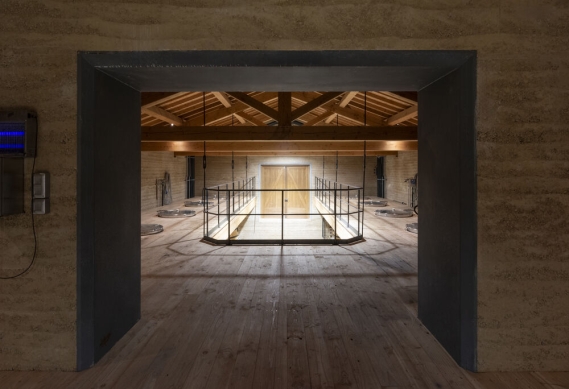
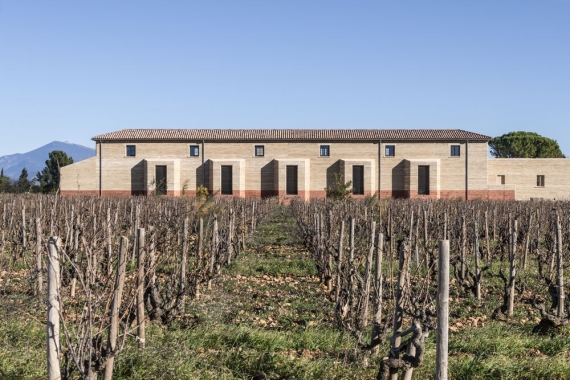
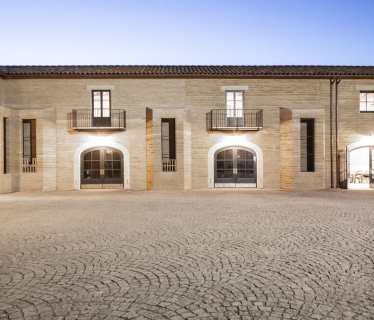
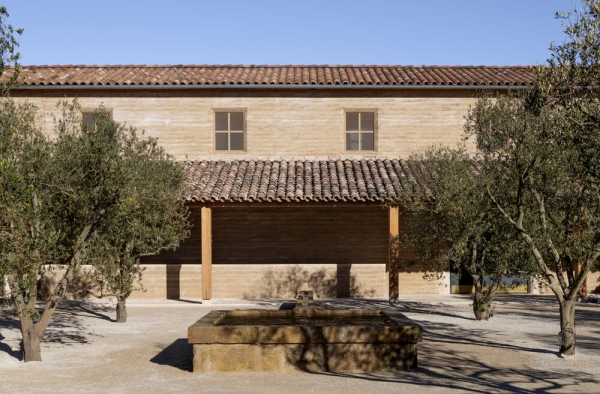
Local materials were used, as well as site concrete (dry concrete compacted by hand in layers) and pisé (compacted raw earth). This ancient building technique, although more labor-intensive, is more environmentally friendly than modern standardized methods.
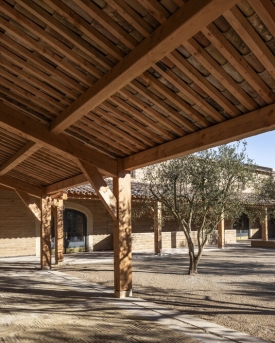
The use of local materials and the reduction of transport costs helped minimize the project's ecological footprint. Earthworks materials were recovered, screened and crushed for reuse, thus reducing waste. This short circuit approach also contributed to the recovery of demolition materials.
©Lisa Ricciotti
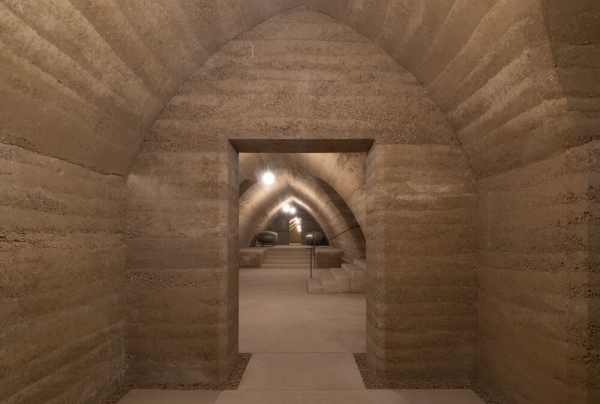
©Lisa Ricciotti
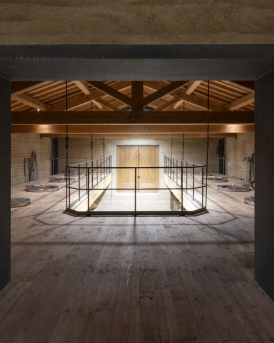
The project presented several challenges, including sourcing sufficient materials, working on an occupied site, and producing a strong concrete. To meet these challenges, CARI Méd developed, in eight months, a concrete formula offering the desired compressive strength. This innovation was recognized by EGF BTP as a significant breakthrough in the construction sector. The results were so satisfactory that CARI Méd also used a fluidized and sanded version of the site concrete to cover the floor of the extension. This method made it possible to maintain a constant temperature in the cellars, meeting the specific requirements of the winegrowing sector.