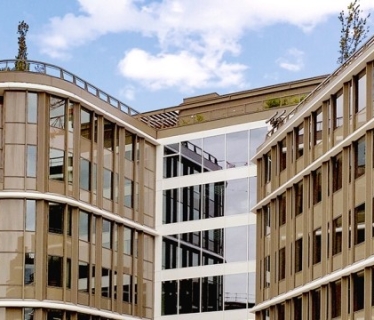
At Fayat Bâtiment, we see low-carbon construction as a key driver of sustainable and responsible cities. Our approach combines innovation, environmental performance and practical solutions that meet both client expectations and the latest regulatory requirements.
Why choose a low-carbon approach to construction?
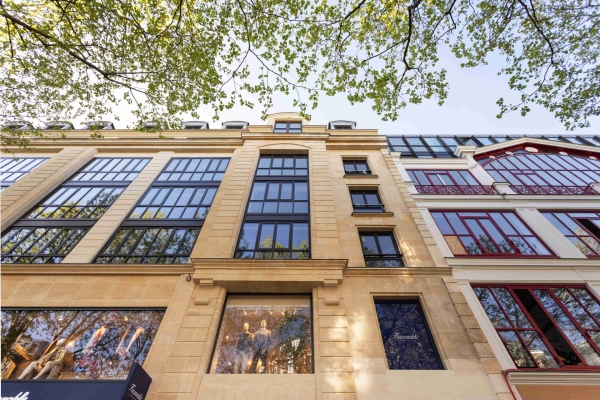
The climate emergency is prompting all players in the construction industry to rethink their methods. A low-carbon approach is not limited to reducing emissions during the construction phase; it considers the entire life cycle of a building, from design and the selection of low-carbon materials to operation and, ultimately, end of life.
Adopting this holistic approach not only helps protect the environment, but also meets new market expectations and enhances the long-term value of each project.
We believe that by involving all stakeholders — suppliers, subcontractors, technical partners and future users — we can help transform our industry by promoting greater energy efficiency and reducing reliance on finite natural resources. Integrating low-carbon principles therefore makes it possible to create buildings that are resource-efficient, more sustainable and more attractive to all stakeholders.
Low-carbon construction: Fayat Bâtiment projects

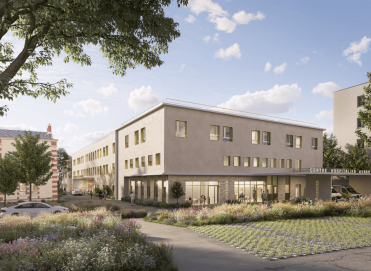

Our key levers for low-carbon construction
To build differently, Fayat Bâtiment deploys a wide range of solutions designed to reduce the carbon impact at every stage of a project. Focusing on resource efficiency, technical innovation and the circular use of raw materials enables us to combine economic performance with environmental responsibility.
Energy optimisation and smart design
From the earliest design stages, Fayat Bâtiment engineers incorporate bioclimatic design principles, including optimal building orientation, maximising the use of natural light and reducing energy requirements through high-performance insulation.
We explore the full potential of renewable energy sources, including geothermal energy, solar photovoltaic systems and biomass, to support responsible and efficient building operation over the long term.
Each technical system is selected for its performance, helping to reduce final energy consumption. The objective is clear: to deliver energy-efficient buildings whose operation and maintenance significantly reduce their carbon footprint.
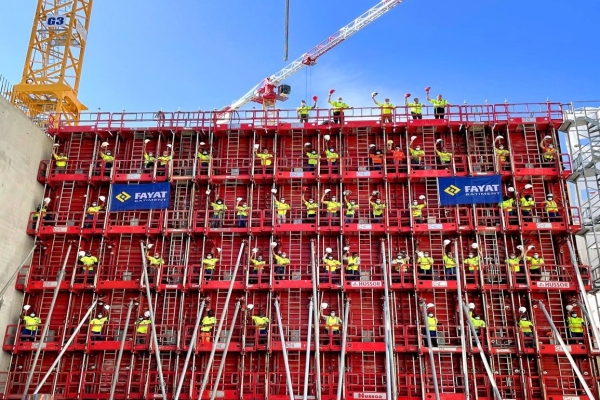
Responsible materials and innovative alternatives
Our strategy prioritises the use of bio-based materials, such as timber and straw, as well as geo-sourced materials, including raw earth and stone. Wherever possible, these materials are sourced locally, supporting local supply chains while reducing emissions associated with transport and industrial processing.
We are also working to diversify our concrete mixes by using low-clinker solutions and incorporating recycled aggregates. These new concrete formulations combine structural performance, architectural quality and environmental responsibility. From insulation to structural components, every material is assessed with the aim of reducing its overall environmental impact.
Life-cycle management and the circular economy in construction
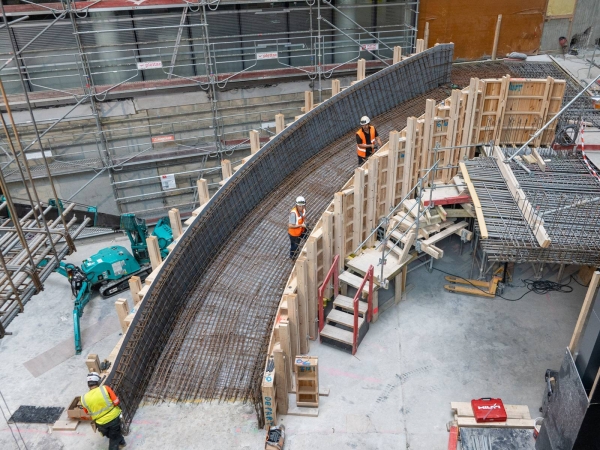
Reducing CO₂ emissions during construction alone is not enough. Our approach extends throughout the entire useful life of the building, including its eventual deconstruction.
Anticipating the reuse of building components and organising the recycling of waste materials help extend the value and useful life of resources while reducing the amount of material sent to landfill.
By developing material traceability initiatives, we can provide greater transparency regarding the origin and quality of the resources used. This approach helps secure the supply chain while strengthening our clients’ confidence in the sourcing and processing of the products incorporated into their projects.
Low-carbon labels: certifications and environmental recognition
Thanks to the numerous low-carbon solutions implemented across our projects, Fayat Bâtiment designs and delivers buildings whose environmental performance is recognised by leading labels such as E+C- (Positive Energy and Carbon Reduction Building), BBCA (Low-Carbon Building) and the Bâtiment Biosourcé (Bio-Based Building) label.
These approaches also enable us to anticipate the requirements of the French Environmental Regulation 2020 (RE2020) and its future developments. At the same time, our teams are equipped to meet the requirements of internationally recognised certifications such as NF HQE™, BREEAM, LEED and BDM, as well as energy-performance labels such as BEPOS Effinergie.
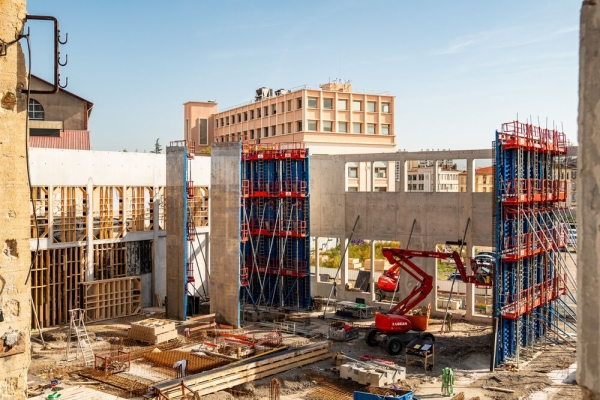
At national level, this momentum contributes to achieving our CSR ambitions and climate objectives, including a target to reduce our direct and indirect greenhouse gas emissions by 30% by 2030.
These certifications provide clients, investors and occupants with reassurance regarding the quality, environmental performance and long-term durability of the buildings delivered.
Compliance with the most demanding environmental regulations also enhances the competitiveness of real-estate assets, helps establish new standards and ensures compatibility with both current and future requirements.
Frequently asked questions about low-carbon construction
-
Alongside energy performance and the use of low-carbon energy sources, the choice of materials plays a crucial role in low-carbon construction.
Priority is given to materials with Environmental and Health Product Declarations (FDES), while particular attention is paid to material efficiency, appropriate structural sizing and the integration of bio-based materials wherever possible.
Depending on the project, solutions may include certified timber from local forests, straw, raw earth and lower-carbon concrete containing less clinker and incorporating recycled aggregates.
Bio-based materials naturally store carbon during their growth and can often be sourced through short, local supply chains. Reuse is also widely encouraged across our projects, whether for architectural components, technical equipment or even the reuse of structural steelwork.
-
The traceability of materials and their carbon content is based in particular on the standardised use of national databases and methodologies that take their entire life cycle into account, from raw material extraction through to installation on site.
This involves documenting and monitoring product references, quantities of materials selected and their associated carbon content, from the design phase through to project completion.
-
A low-carbon certified building can benefit from enhanced market value, lower operating costs thanks to improved energy performance, and greater comfort for users.
Such certification provides reassurance regarding the building’s environmental quality and demonstrates alignment with national and European climate objectives.
EMAIL ALERT
Didn't find an opportunity that matches your search?